


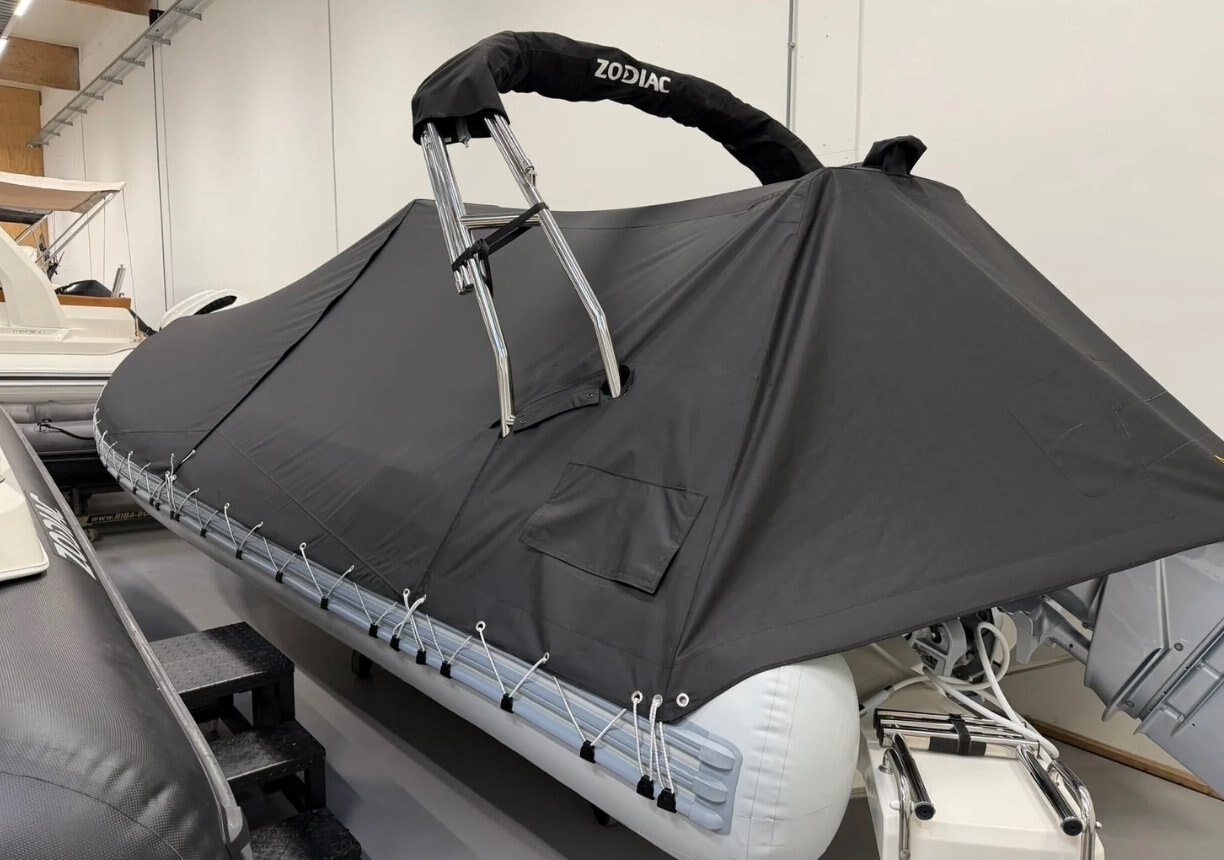


Storing an Inflatable Boat for Canadian Winter
As boating season winds down, preparing your inflatable boat for winter is an important part of protecting your investment and getting ready for the next season.
In Ontario and across Canada, colder temperatures, moisture and changing weather conditions can create additional challenges when it comes to storing your boat. Taking the time to clean, inspect and store it properly can help prevent avoidable damage and make getting back on the water easier when spring arrives.
Whether you own a compact inflatable dinghy, a tender for your larger vessel or a rigid inflatable boat (RIB), the right approach depends on your boat's construction, the materials used and the manufacturer's storage recommendations.
Here's what to consider before putting your inflatable boat away for the season.
Need Help Preparing Your Boat for Winter?
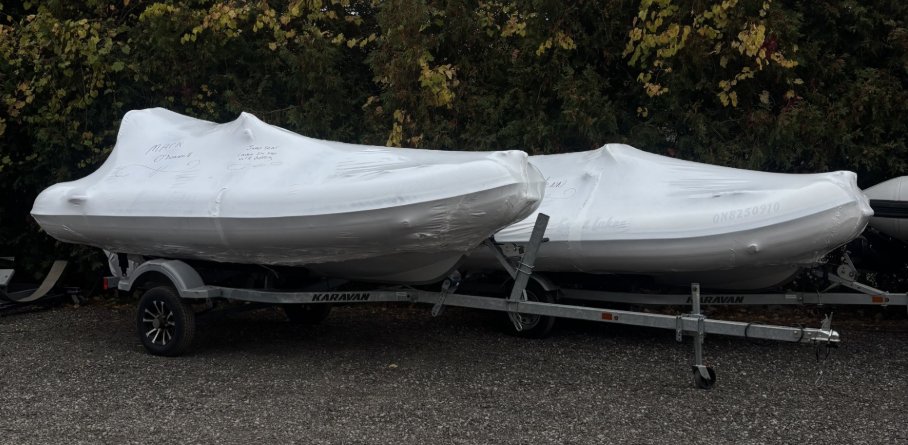
Getting your inflatable boat ready for the off-season doesn't have to be a DIY project. If you're looking for professional help, Melo Craft Boats can help you prepare for winter with storage, shrink wrapping and winterization services.
Whether you're putting your boat away for a few months or preparing your outboard for colder temperatures, taking care of these details now can help you start the next boating season with greater peace of mind.
Planning your winter boat care? Book Now with Melo Craft.
Contact our team to discuss your boat's needs, available services and seasonal arrangements.
1. Start with a thorough cleaning
Before storing your boat, remove dirt, sand, debris and any residue that has accumulated throughout the boating season.
Use cleaning products and methods approved by your boat's manufacturer. Harsh chemicals or abrasive cleaning tools can damage inflatable materials, fittings and protective coatings, so it's best to avoid experimenting with products that aren't intended for your boat. Shop our marine grade cleaning product at Melo Craft Parts Department or use our recommended Boat Cleaner.
Pay particular attention to areas where dirt and moisture can collect, including seams, valves, fittings and the underside of the boat. If your inflatable has been used in saltwater, follow the manufacturer's recommendations for rinsing away salt residue.
Once the boat is clean, allow it to dry thoroughly before storage. Trapped moisture can contribute to mould, mildew and unpleasant odours, particularly when a boat is packed away in an enclosed space.
It's a simple step, but one worth taking the time to do properly.
2. Make sure the boat is completely dry
Drying is just as important as cleaning when preparing an inflatable boat for winter.
Water can remain around the seams, under removable floor sections, inside storage compartments and around fittings even when the rest of the boat appears dry.
If your boat has a removable floor, follow the manufacturer's instructions for removing and drying its components. Make sure accessible areas are dry before reassembling or packing the boat away.
Avoid leaving a damp inflatable folded inside a storage bag for an extended period. If you're working with limited space or colder weather, give yourself enough time to complete the process in suitable conditions.
Before moving on to storage, check the entire boat rather than relying on its outer surfaces alone.
3. Should you deflate your inflatable boat for winter?
One of the most common questions boat owners have is whether their inflatable should be stored inflated or deflated.
The answer depends on the boat's design, construction and storage arrangements.
Fully inflatable boats: Some models are designed to be deflated, folded and stored in a bag or container. If this is the manufacturer's recommended storage method, follow the specified deflation procedure and folding instructions. Avoid forcing the material into tight folds or placing heavy objects on top of it.
Rigid inflatable boats (RIBs): A RIB has a rigid hull combined with inflatable tubes. Its storage requirements differ from those of a fully inflatable boat, and the rigid hull may require a trailer, rack or suitable support. Follow the manufacturer's recommendations for tube pressure and storage positioning.
If your boat is designed to remain inflated during storage, make sure the location and conditions are suitable. Temperature changes can affect internal air pressure, so follow the manufacturer's guidance on inflation levels and pressure adjustments.
There isn't one storage method that works for every inflatable boat. When in doubt, consult the manual for your specific model before deflating it or changing its storage configuration.
4. Choose the right storage location
Where you store your boat over winter can make a difference to how well it holds up between seasons.
Indoor storage
A clean, dry and appropriately ventilated indoor space is often a practical option. A garage or dedicated storage facility can help protect the boat from direct sunlight, precipitation, falling debris and other outdoor exposure.
However, indoor storage isn't automatically suitable simply because the boat is under a roof. Damp conditions, extreme temperatures and contact with sharp objects can still create problems.
Choose a location that allows the boat to be supported correctly and kept away from chemicals, heat sources and anything that could puncture or abrade its materials.
Outdoor storage
If indoor storage isn't available, follow the manufacturer's recommendations for outdoor storage and protection.
Use an appropriate cover that protects the boat while allowing moisture to escape. Avoid wrapping a damp boat in a way that traps condensation, and make sure the cover is secure without putting unnecessary pressure on the tubes or other components.
For RIBs, consider how the rigid hull will be supported and protected from accumulated snow, ice and water. Don't assume that a cover alone will provide adequate protection in winter conditions.
Whichever option you choose, inspect the storage area periodically throughout the off-season.
5. Inspect the boat before putting it away
Winter storage is a good opportunity to identify issues that may need attention before your next outing.
Look over the tubes, seams, valves, transom, fittings and any areas that have experienced regular wear. Check for visible damage, signs of deterioration, loose components or anything that wasn't functioning as expected during the season.
If you suspect an air leak or notice damage to a seam, tube or transom, have the issue assessed before using the boat again. Not every repair is suitable for a do-it-yourself fix, and the correct repair method depends on the material and construction.
It's also worth reviewing any accessories that need maintenance or replacement.
Addressing problems now can help you avoid discovering them on the day you planned to launch in spring.
6. Don't forget about your outboard motor
If your inflatable boat is powered by an outboard, the engine needs its own winter preparation.
The correct process depends on the manufacturer, engine type and model. Depending on the engine, winterization may involve specific procedures for fuel, lubrication, cooling-system protection and other components.
Always consult the engine manufacturer's owner's manual for the recommended process. Don't assume that preparing one outboard for winter will be identical to preparing another.
Consider the motor's storage position, too. Outboards have specific requirements for positioning during storage and transportation, so follow the manufacturer's instructions rather than choosing a position based on convenience alone.
If you're unsure what your engine requires, speak with a qualified marine service professional before putting it away for the season.
7. Prepare for an easier return to the water
Winter storage isn't just about protecting your boat until spring. It's also an opportunity to make sure you're ready for the next boating season.
Keep the boat's documentation, maintenance records and any removable accessories together in an organized place. Make a note of repairs, replacement parts or equipment you need to address before launching again.
If your boat is stored deflated, keep its components and accessories organized so that setup is more straightforward when warmer weather returns.
Before your first outing, inspect the boat again, follow the manufacturer's inflation and setup instructions, and check that the boat, motor and safety equipment are ready for use.
A little preparation now can make the transition back to boating much smoother.
Additional Winter Storage Advice for Zodiac Owners
As a certified Zodiac dealer, Melo Craft recommends following the manufacturer's guidance when preparing your inflatable boat for winter. Storage requirements can vary depending on your model, construction and setup.
For more detailed guidance, read Zodiac's article, How Do You Safely Store Your Inflatable Boat for the Winter?, which covers cleaning, drying, storage options and important considerations for foldable inflatables.
If you'd prefer professional help preparing your boat for the off-season, contact Melo Craft Inflatable Boats to ask about our available winter storage, shrink wrapping and winterization services.
Protect Your Inflatable Boat This Winter
Proper winter storage starts with understanding your boat and following the recommendations designed for its specific construction and materials.
From cleaning and drying to choosing a suitable storage location and preparing your outboard, each step contributes to taking better care of your equipment throughout the off-season.
At Melo Craft Inflatable Boats, we understand that choosing and maintaining the right boat go hand in hand. Whether you're caring for your current inflatable or exploring options for your next tender, our team can help you understand the features and considerations that matter for your boating needs.
Have questions about inflatable boats or preparing for next season? Contact us to discuss your options.
Always consult your boat and engine manufacturers' instructions for model-specific cleaning, storage and winterization procedures.

MeloCraft Parts Department
Whether you need repairs or maintenance, or you're looking to customize your boat, MeloCraft is proud to provide a wide selection of parts and accessories to the Mississauga area, so you can maintain your vehicle and make it your own. If we don't have it in stock, we're happy to order it for you.
Our knowledgeable parts staff are ready to help you find the right parts and accessories to keep your Great lakes Inflatable and Yamaha Outboard running in optimal condition. If you need help with repairs or installations, check out our Service Department.
Ordering Parts
To get the parts you need for your boat, you can always give us a call at 905-291-3932, come on in, or send us a Parts Request.


