




How to Choose an Inflatable Boat: A Buyers Guide
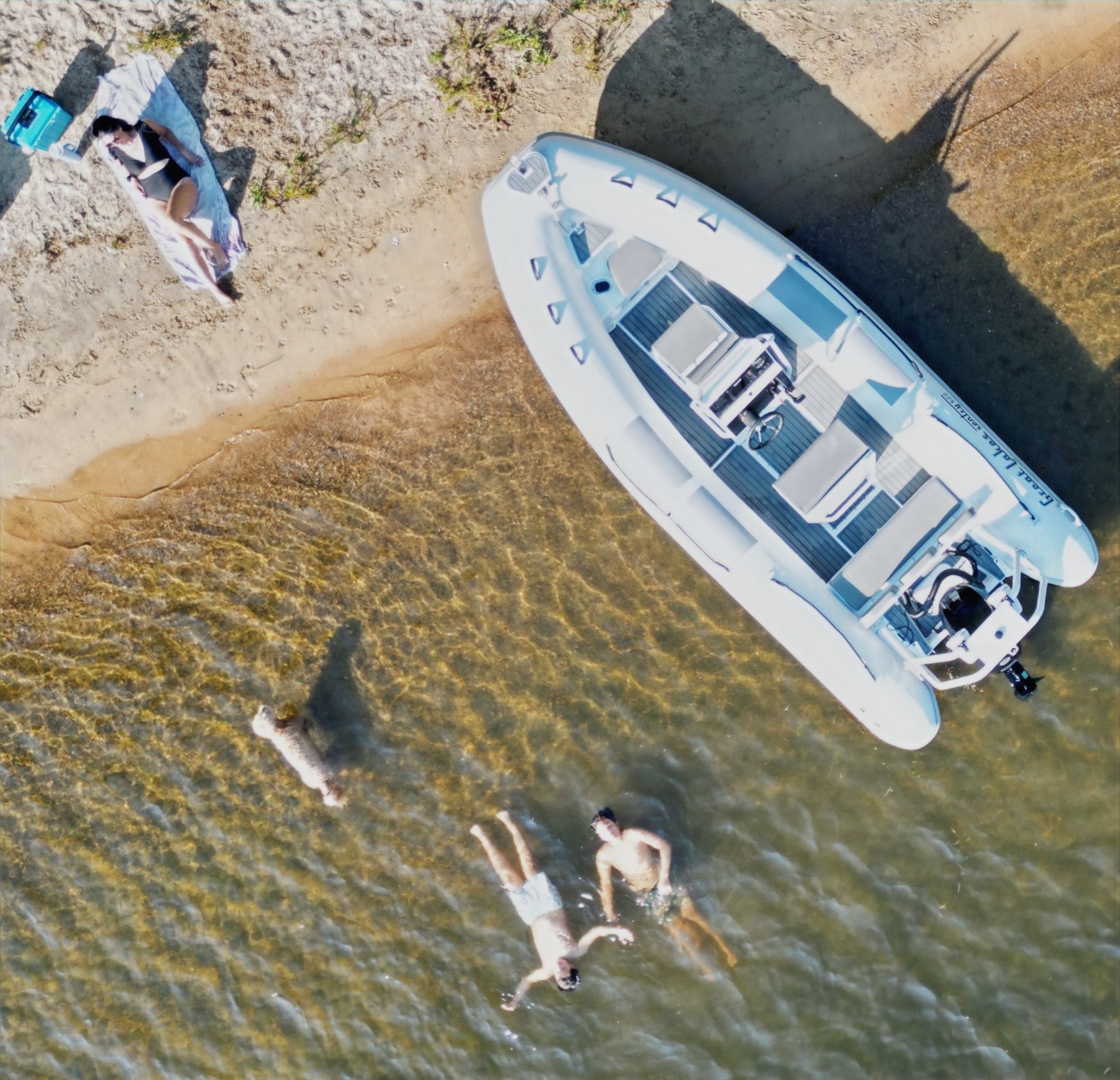
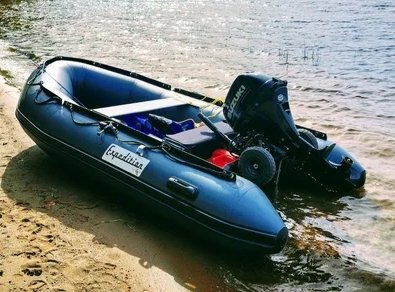
Choosing an inflatable boat starts long before you get to the water. It's about knowing where you'll use it, how you'll transport it, who'll be coming along and what you expect from the experience. For some boaters, an inflatable is a convenient tender for getting from a larger boat to shore. For others, it's a way to explore a favourite lake, spend a day fishing or enjoy more time on the water without committing to a larger vessel. With so many sizes, floor designs and configurations available, the right choice isn't necessarily the biggest boat or the one with the most features. It's the one that suits your plans.
Here's what to consider before choosing your next inflatable boat.
1. Start with how you'll use it
Before comparing models, think about a typical day on the water. Your intended use will influence almost every decision that follows.
For use as a tender: If you're looking for a boat to travel between your anchored vessel and shore, portability, ease of handling and convenient storage may be your priorities.
For fishing and exploring: Consider how much room you'll need for passengers, tackle and other equipment. Think about how easily you can launch, retrieve and store the boat at the locations you visit most often.
For family outings: Space, weight capacity, seating arrangements and ease of boarding deserve careful consideration. Think about the number of people you'll usually bring rather than choosing solely by the maximum passenger count.
For more performance-oriented boating: If you want to cover greater distances or travel in a wider range of conditions, pay particular attention to hull design, suitable engine power and the manufacturer's operating recommendations.
A useful starting point is to describe your most common outing, not your most ambitious one. The boat should suit the way you realistically plan to use it.
2. Choose a size that works on and off the water
A larger inflatable can offer more usable space, but it can also require more room for transportation, storage and launching.
When comparing sizes, look beyond the boat's overall length. Consider its internal space, beam, passenger capacity, maximum load and recommended engine specifications. Ask yourself:
-
How many people will typically be aboard?
-
Will you carry coolers, fishing equipment or other gear?
-
Where will the boat be stored when it's not in use?
-
Can you transport and launch it with the equipment and assistance available to you?
Remember that maximum capacity is not the same as a comfortable everyday load. Passengers, personal gear, fuel and other equipment all contribute to the total load. Always follow the boat's capacity information and applicable safety requirements.
The best size is one that provides enough room for your intended activities without making transportation and storage unnecessarily difficult.
3. Understand the main types of inflatable boats
Inflatable boats are not all built the same way. The floor and hull construction affect portability, rigidity, handling and the overall boating experience.
Roll-up inflatable boats
These boats are designed with portability in mind. Their flexible construction can make them convenient to pack away and transport, particularly when storage space is limited.
They're worth considering when compact storage and straightforward handling are more important than the performance characteristics of a rigid hull.
Inflatable-floor and sectional-floor boats
Some models use a high-pressure inflatable floor, while others use assembled floor panels. The designs differ in setup, rigidity, weight and how compactly the boat can be stored.
An inflatable floor may appeal to someone looking for a lighter, more packable setup. Sectional floors can provide a different level of rigidity, depending on the design. Compare the complete boat rather than assuming one floor type is always superior.
Rigid inflatable boats (RIBs)
A RIB combines inflatable tubes with a rigid hull. Depending on its design, this construction can provide improved handling and a more comfortable ride in suitable conditions compared with a flexible-bottom inflatable.
RIBs can also accommodate a wider range of engine configurations, subject to the individual model's specifications. However, their rigid hulls generally require more consideration for storage, transportation and launching.
There is no universal winner. The right construction depends on your priorities and where you intend to boat.
4. Compare materials, construction and durability
The material used for an inflatable's tubes is an important part of the buying decision, but the material name alone doesn't tell the whole story.
PVC and Hypalon are two materials commonly encountered in inflatable boats. Each has different characteristics relating to UV exposure, chemical resistance, maintenance, construction methods and repair.
The finished product also matters. Look at the quality of the seams and fittings, the transom construction, protective reinforcements and the manufacturer's maintenance recommendations.
Before buying, ask:
-
What material is used for the tubes?
-
How are the seams constructed?
-
What protection is provided in high-wear areas?
-
What maintenance does the manufacturer recommend?
-
Is replacement or repair support available?
Pay attention to the conditions in which you'll store and use the boat. Sun exposure, temperature changes, abrasion and improper storage can affect the lifespan of inflatable materials.
A well-informed purchase considers the entire construction, not simply a label describing the fabric.
5. Match the boat with the right motor
If you plan to use an outboard, choose the boat and motor as a compatible combination.
Every motor-capable inflatable has specifications that must be respected, including its maximum permitted engine power and the transom configuration. The appropriate motor also depends on the boat's design, intended load and expected use.
A more powerful engine isn't automatically a better choice. The goal is to select a motor that suits the boat and performs within the manufacturer's limits.
Before purchasing, confirm:
-
The boat's permitted engine power and mounting requirements.
-
The engine's weight and compatibility with the transom.
-
The expected combined load of passengers and equipment.
-
Whether the complete setup meets applicable requirements.
Consider the practical side, too. The boat, engine and accessories form one system, and their combined weight affects transportation, launching and storage.
If you're uncertain about compatibility, confirm the specifications with the boat and engine manufacturers or a qualified marine professional before making a decision.
6. Think about ownership, not just purchase price
The initial price is only one part of owning an inflatable boat.
Depending on the model and how you use it, you may also need to budget for an outboard, fuel, safety equipment, a suitable pump, maintenance supplies, storage and transportation.
Setup is worth considering as well. Some boats are designed for frequent inflation and deflation, while others make more sense for owners with a dedicated storage space or trailer.
Ask yourself what an ordinary boating day will involve:
-
How long will setup and packing away take?
-
Where will the boat and motor be stored?
-
What equipment will you need to transport them?
-
How will you clean, dry and maintain the boat after use?
These details may not be the most exciting part of shopping, but they're often what determine whether a boat fits comfortably into your routine.
7. Consider the water where you'll be boating
A boat that suits sheltered cottage waters may not be the right choice for more exposed conditions.
Wind, waves, water temperature, changing weather and distance from shore all influence the demands placed on a boat and its operator.
Consider your usual launch locations and the conditions you're likely to encounter. Review the manufacturer's guidance on operating conditions, loading and performance, and choose a boat appropriate for those conditions.
No inflatable design makes a boater immune to changing weather or water conditions. Good judgment, preparation and appropriate safety equipment remain essential.
If you're new to boating, take time to understand the requirements that apply to your vessel and the waters where you'll be operating.
8. Check the details before you buy
Once you've narrowed down your options, compare the complete specifications for each model.
Look for:
-
Overall length and internal dimensions.
-
Maximum passenger capacity and total load.
-
Tube material and construction details.
-
Floor and hull design.
-
Maximum permitted engine power.
-
Boat weight and packed dimensions, where available.
-
Warranty terms, maintenance guidance and repair support.
-
Included equipment and any additional items you'll need.
If you're buying a used inflatable, inspect its condition carefully. Check for signs of air leakage, damaged seams, repairs, deterioration, transom damage and missing documentation. Ask about its maintenance and storage history, and arrange a professional inspection if you're unsure about its condition.
In Canada, consult Transport Canada's current boating guidance to understand the licensing, operator competency and safety equipment requirements relevant to your vessel and circumstances.
So, which inflatable boat is right for you?
The right inflatable boat is the one that makes sense for your plans, your storage and transportation arrangements, your budget and the conditions in which you'll use it.
Start with the purpose. Narrow down the size and construction. Confirm engine compatibility, compare the complete ownership costs and verify the specifications before making your final decision.
If you're still weighing your options, speak with a knowledgeable marine retailer. A conversation about how you plan to use your boat can help you identify the features that matter most — and avoid paying for features you may never need.
At Melo Craft, we're here to help you make an informed choice and find the right fit for your time on the water.
Once you've identified how you plan to use your boat, comparing actual models can make the decision much easier. Explore our Inflatable Boat selection to compare available models and their specifications.
Before heading out, always review your boat manufacturer's operating guidance and the current boating safety requirements that apply to your vessel and location.
Exploring Great Lakes inflatables? Browse our available models and compare their specifications to find a boat that suits your needs. --> Great Lakes Inflatable Boats
How to Choose an Inflatable Boat | Melo Craft Inflatable Boats
Helpful resources

-
 In Stock
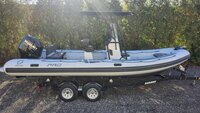
2026 Zodiac PRO 7
$129,999.00
Fall Promotion. Save $6,000. With Suzuki DF200ATX, T-top, Hydraulic Steering, rear swim platforms
-
 In Stock
2026 Zodiac YACHTLINE 490
$49,999.00
Fall Promotion. Save $6,000.With Suzuki DF75ATLW - Hypalon Tube
-
 In Stock
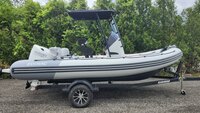
2026 Zodiac OPEN 5.5
$79,999.00
Fall Promotion. Save $6,000. With Suzuki DF115BTXW, T-top, Hydrolic Steering, rear swim platforms


